

The invention of the BIC pen revolutionized the way people write, communicate, and work across the globe. Since its introduction in 1950 by French entrepreneur Marcel Bich, the BIC pen has become a symbol of affordable, reliable, and accessible writing instruments for millions.

Affordable and Accessible Writing
Before the BIC pen was introduced, writing tools were often expensive and complicated to maintain. Fountain pens, which were the primary writing instruments, required regular refilling with ink, careful handling to avoid leaks, and frequent cleaning. These challenges made writing tools less accessible, especially for students, workers, and everyday users in many parts of the world.
The BIC pen changed all that by offering a simple, reliable, and affordable solution. Its ballpoint design used a tiny rotating metal ball to distribute ink smoothly and consistently without the mess of traditional pens. Because it was disposable, users no longer needed to worry about refilling ink or maintaining their pens. This innovation lowered the barrier for owning a pen.
Moreover, the company’s focus on mass production techniques allowed BIC pens to be sold at very low prices without sacrificing quality. This made writing instruments widely available to people from all economic backgrounds. Students, professionals, and casual writers alike could purchase a dependable pen without breaking the bank.
The affordability and ease of use contributed significantly to literacy and communication worldwide. By putting a pen in almost every hand, BIC helped democratize writing, making it a daily tool accessible to everyone. This breakthrough played a crucial role in education systems, workplaces, and personal expression throughout the decades.
Mass Production and Global Reach
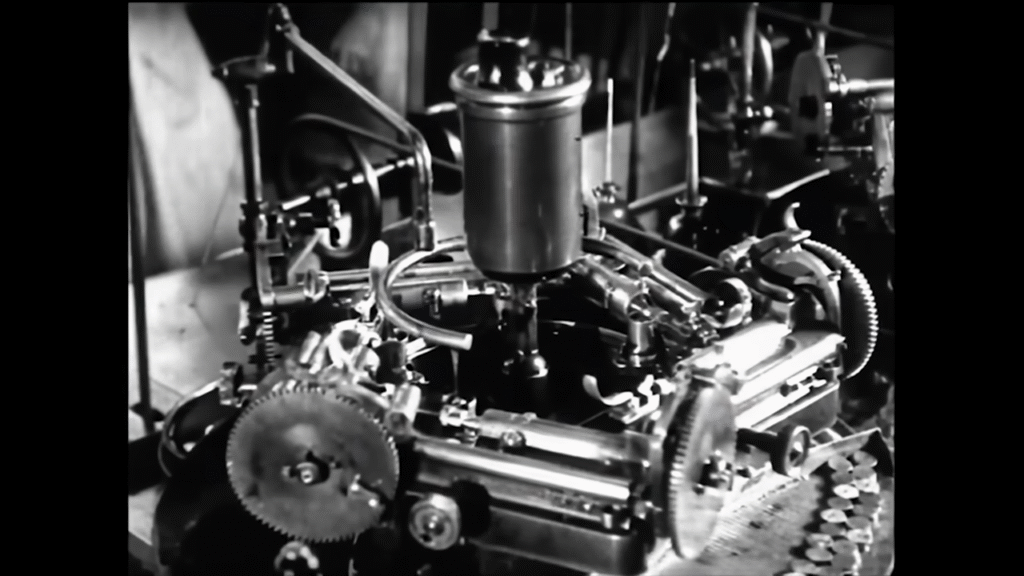
One of the key reasons the BIC pen became a worldwide phenomenon lies in its pioneering approach to mass production. Marcel Bich, the founder of Société Bic, recognized early on that producing high-quality pens at an affordable price required industrial innovation. By designing efficient manufacturing processes, BIC was able to produce millions of pens quickly and consistently, dramatically reducing costs.
The company invested in specialized machinery that automated every stage of production—from molding the plastic barrels to assembling the tiny ballpoint tips with precision. This assembly line efficiency not only ensured uniform quality but also allowed BIC to meet the massive demand from schools, offices, and retailers worldwide.
With this large-scale production capability, BIC pens became widely available across continents. The brand expanded rapidly beyond France, entering markets in North America, Europe, Asia, and beyond. Their pens became staples in classrooms, government offices, businesses, and homes, symbolizing reliability and affordability everywhere.
BIC’s global distribution networks and strategic marketing helped the pen become synonymous with everyday writing. By 1970, just 20 years after its launch, over a billion BIC pens had been sold worldwide — an astonishing achievement that made the pen an icon of modern industrial success.
This mass production and global reach not only made writing tools affordable but also fostered a shared experience of communication and education across diverse cultures and languages, further cementing the BIC pen’s role in modern life.
Impact on Education and Literacy
The widespread availability of the BIC pen played a significant role in promoting education and literacy around the world. Before affordable pens like BIC entered the market, many students, especially in developing countries, struggled to access reliable writing instruments. Expensive or fragile pens often meant limited practice and hindered learning.
By providing a durable, easy-to-use, and low-cost pen, BIC lowered the barriers to writing for millions of students. Schools could equip classrooms more affordably, enabling students to take notes, complete assignments, and develop handwriting skills without worrying about pen shortages or breakage.
The simplicity of the BIC pen also made it accessible to young learners who were just beginning to write. Its smooth ink flow and dependable performance reduced frustration, encouraging more consistent practice and improving literacy rates over time.
Moreover, BIC’s commitment to global markets meant their pens reached remote and underserved communities, helping bridge educational gaps. In many cases, having a dependable pen transformed the learning experience by making writing a natural and daily habit rather than a luxury.
The impact of this seemingly small innovation extended beyond individual classrooms. By facilitating better writing tools, the BIC pen contributed to broader educational improvements, empowering generations to communicate, learn, and succeed in school and beyond.

Cultural Icon and Innovation
Beyond its practical use, the BIC pen has become a cultural icon recognized around the world. Its simple, sleek design — featuring a transparent plastic barrel, a small rotating ballpoint tip, and the distinctive yellow, blue, or black colors — is instantly recognizable and has influenced how people think about everyday tools.
The pen’s ubiquity has made it a symbol of accessibility and democracy in writing, often referenced in art, literature, and popular culture. From classrooms to offices, the BIC pen has become an emblem of everyday creativity and productivity.
Moreover, BIC has continued to innovate beyond the original ballpoint pen. The company expanded its product line to include markers, mechanical pencils, highlighters, and even lighters — all with the same focus on affordability, reliability, and simplicity. These innovations have helped maintain BIC’s position as a leader in stationery worldwide.
The BIC pen’s design and manufacturing approach also influenced countless other brands, setting a standard for disposable writing instruments that balance cost-effectiveness with quality. Its impact extends beyond writing — it embodies the idea that everyday objects can be thoughtfully designed, mass-produced, and widely accessible.
As a cultural icon and innovator, the BIC pen represents more than just a tool; it reflects the power of design and industry to shape everyday life and connect people across the globe.