
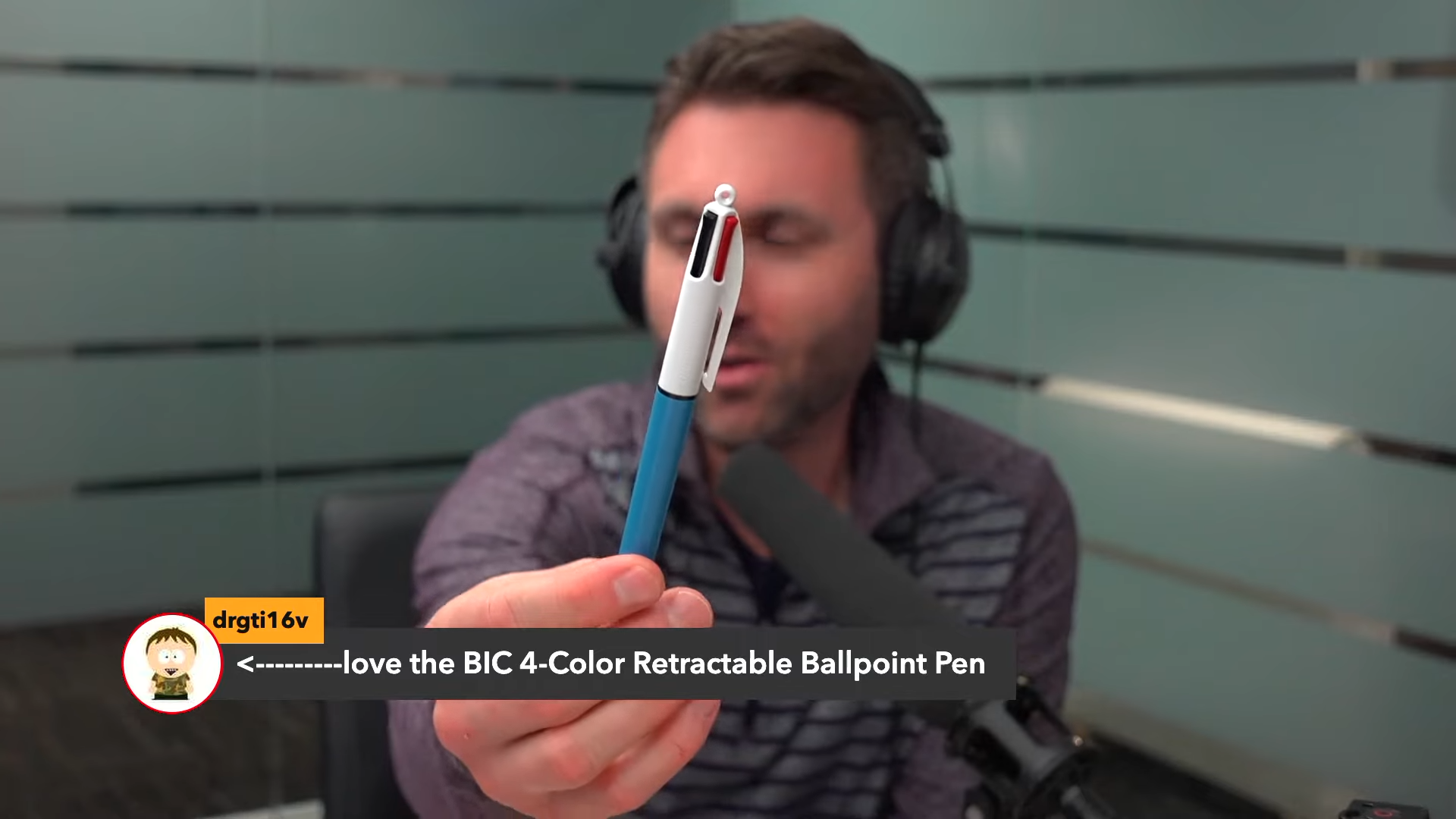
For many people living with arthritis, something as simple as holding a pen can become painful and exhausting. Swollen or stiff finger joints, reduced grip strength, and hand fatigue often make traditional slim pens difficult to control. The result is not only discomfort but sometimes the inability to write at all.
Extra large grip pens provide a practical solution. With their wide barrels, cushioned grips, and ergonomic designs, these pens reduce the strain on fingers and thumbs, allowing people with arthritis to write more comfortably and with less effort. Whether you’re jotting down a shopping list, signing important documents, or writing in a journal, the right pen can make a big difference in restoring independence and ease.
What is arthritis and pain in the hands?
Arthritis is a condition that causes inflammation in the joints, leading to pain, stiffness, and reduced mobility. The hands are particularly vulnerable because of their many small joints and constant use in daily activities.
Osteoarthritis, the most common form, occurs when the protective cartilage that cushions the ends of bones wears down. This can make gripping and pinching motions – such as holding a pen – especially painful. Rheumatoid arthritis, on the other hand, is an autoimmune disease that causes the body to attack joint tissue, often resulting in swelling, deformities, and significant loss of dexterity.
For many people, arthritis in the hands means that writing with a narrow pen requires too much force and pinching at the thumb joint. Over time, this can increase discomfort, trigger cramping, and make handwriting nearly impossible. That’s why wider, cushioned, and ergonomically designed pens are recommended: they reduce the effort needed to hold and guide the pen, making writing less painful and more accessible.
What Makes a Pen Arthritis-Friendly?
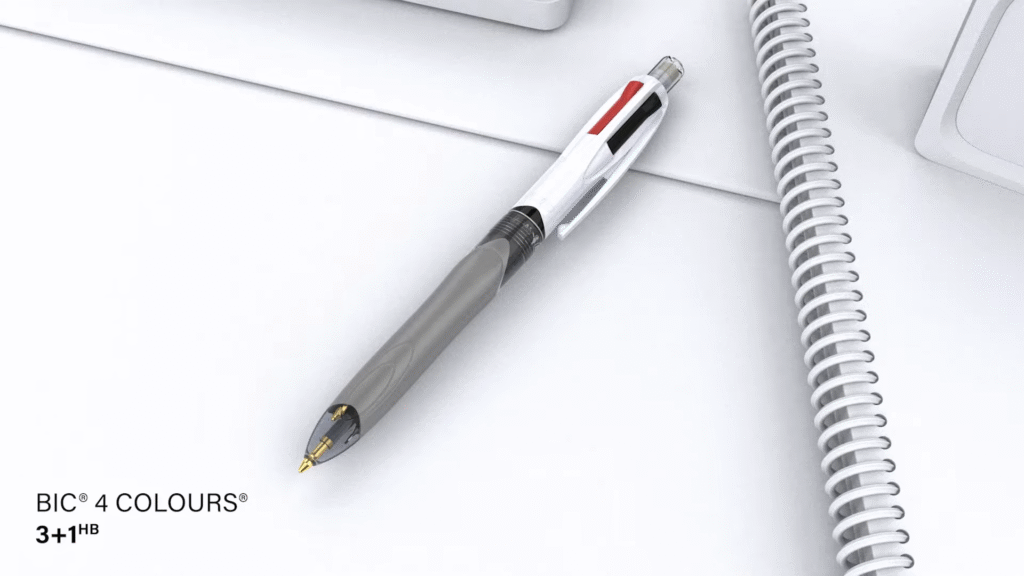
What makes a pen arthritis-friendly comes down to how well it reduces stress on the joints and allows the hand to move with as little effort as possible. A key feature is a wide barrel or grip section. The larger surface area means the user does not have to pinch tightly, which helps reduce strain at the base of the thumb and fingers. Many arthritis-friendly pens also include soft rubber or silicone grips that provide cushioning and prevent slipping during use.
Weight distribution plays an important role as well. Some pens are designed to be slightly heavier or tip-balanced so that less pressure is needed to put ink on paper. This allows smoother writing without the hand working as hard. A truly arthritis-friendly pen should also offer flexible grip positions. Instead of forcing the fingers into one rigid shape, a good pen accommodates different ways of holding it, letting the user choose the most comfortable method.
Another factor is ink flow. Pens that glide easily, such as gel or rollerball pens, reduce the amount of pressure required to make clear lines. Ballpoint pens can work too, but only if they use low-viscosity ink that writes smoothly. Together, these elements – wide diameter, cushioned grip, proper weight, and smooth ink – make writing less painful and much more manageable for people living with arthritis.
Top Extra Large Grip Pens for Arthritis
Top extra large grip pens for arthritis are designed with wider barrels, cushioned grips, and smoother writing performance to make handwriting more comfortable. A few stand out because of their proven effectiveness and popularity among users with hand pain.
The Thixotropic Super Big Fat Pen is one of the most widely recommended options. It comes in a set with multiple pens and refills, offering great value. With its short, wide barrel and rubberized grip, it allows people with arthritis or limited dexterity to hold the pen without excessive pinching. Many reviewers highlight that it restores their ability to write without cramping or thumb pain.
Pilot’s Dr. Grip line is another well-known choice. Endorsed by the Arthritis Foundation’s Ease of Use program, it features a cushioned, balanced grip that reduces writing fatigue. Available in ballpoint, gel, and mechanical pencil formats, it provides consistent smooth writing with minimal effort, making it a reliable everyday pen.
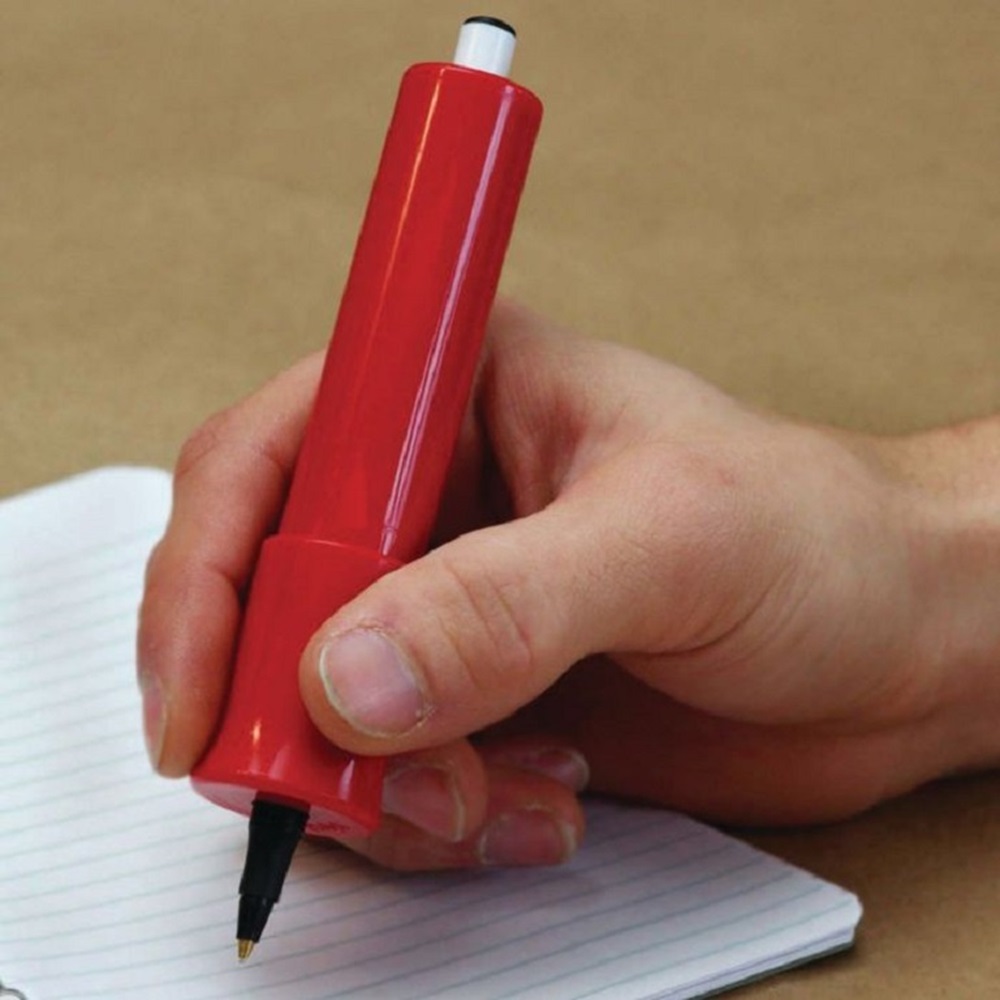
The BipGrip Pen Holder takes a different approach by turning almost any standard pen or pencil into a thick, easy-to-hold writing tool. It works by enclosing the writing instrument in a large, ergonomic holder, giving users with arthritis or weak grip strength a comfortable alternative without having to give up their preferred pens.
For those who prefer rollerball pens, the Kaweco Perkeo is a strong option. It has a robust body with a wide grip and smooth ink flow, allowing effortless writing with less pressure. The ergonomic design and affordable price make it attractive for daily use.
Another unique pen is the PenAgain Ergo-Sof. Instead of relying on grip strength, it uses a wishbone-shaped body that sits naturally in the hand. This design redistributes pressure through the palm rather than the fingers, reducing strain for people who struggle to hold conventional pens.
These pens and aids show that there is no single solution – some people prefer a fat, cushioned barrel, while others benefit from innovative designs or adaptable holders. The best choice depends on individual comfort, hand strength, and writing needs.
Additional Writing Aids and Alternatives
In addition to extra large grip pens, there are several aids and alternatives that can make writing easier for people with arthritis. One of the simplest solutions is using foam or rubber grip sleeves that slide onto regular pens and pencils. These add bulk and cushioning, turning slim writing tools into more comfortable, arthritis-friendly options without having to buy new pens.
Weighted pens are another helpful tool, especially for those who experience tremors or hand instability. The added weight steadies the writing motion and requires less downward pressure, which can reduce fatigue and improve legibility. Some weighted pens are designed specifically for arthritis and Parkinson’s patients, combining both wide grips and balanced weight.
Ergonomic pen holders, such as the BipGrip, can also transform everyday pens and crayons into accessible writing tools. They provide extra thickness, stability, and versatility, making them suitable for both children and adults who struggle with fine motor control.
For people who find traditional pens uncomfortable no matter the design, rollerball and gel pens can be a good alternative. These pens allow ink to flow with minimal effort, which means less pressure is needed to produce a clear line. Some prefer fountain pens for the same reason, as their nibs glide smoothly across the page with little resistance.
These aids demonstrate that there are many ways to adapt writing tools to fit different needs. Whether through grip attachments, weighted designs, or smooth-flowing inks, alternatives can make handwriting less painful and help people maintain independence in daily tasks.
Tips for Choosing the Right Pen
Choosing the right pen for arthritis comes down to matching the tool with your individual comfort and writing habits. The first thing to consider is grip size. A pen that feels natural in your hand should not require pinching or squeezing. Trying out different barrel widths before committing to one design can help you find the most comfortable fit.
Weight is another important factor. Some people find heavier pens easier to control because the pen does more of the work, while others prefer lightweight options that reduce strain. It often comes down to personal preference and the level of hand strength you have.
Ink type can make a significant difference too. Pens with smooth ink flow, such as gel or rollerball pens, require less pressure to write. Ballpoint pens can be a good choice if they use low-viscosity ink, but thicker, harder-to-move inks can add to hand fatigue.
Durability and refill options are worth considering as well. Pens that accept refills can be more cost-effective and eco-friendly in the long run, and they prevent the hassle of constantly adjusting to a new pen.
Lastly, think about versatility. Some pens allow for flexible grip positions, which can be helpful if your symptoms vary from day to day. Others are designed with unique shapes, like the wishbone-style PenAgain, to reduce reliance on finger strength altogether.
The best pen is ultimately the one that makes writing feel easier and less painful for you. Taking time to test different sizes, weights, and ink types ensures you’ll find a tool that fits your specific needs and restores confidence in everyday writing tasks.
Writing Comfort Beyond the Pen
Writing comfort with arthritis goes beyond simply choosing the right pen. How you position your body and hands while writing can make a big difference in reducing pain and fatigue. Sitting with your back supported and feet flat on the floor creates a stable base, while keeping your shoulders relaxed prevents unnecessary tension in the arms and wrists.
Hand posture is equally important. A relaxed grip reduces strain, while holding the pen too tightly often leads to cramping. Moving the entire arm instead of just the fingers when writing can also ease stress on small joints. For left-handed writers, tilting the paper and holding the pen slightly farther from the tip may prevent awkward hand angles and smudging.
Taking regular breaks during longer writing sessions helps prevent stiffness. Simple hand stretches, such as opening and closing the fingers or gently rolling the wrists, can restore circulation and flexibility. Using supportive tools like wrist rests or angled writing boards may further reduce strain.
Beyond technique, pacing yourself is essential. Writing smaller amounts at a time, planning tasks in advance, or alternating between handwriting and digital devices can help conserve energy while still maintaining the satisfaction of putting words on paper.
Comfort comes from a combination of the right pen, good posture, and mindful habits. By adjusting how and when you write, you can extend your endurance, reduce pain, and make writing a more enjoyable activity again.
Conclusion
Living with arthritis in the hands does not have to mean giving up the ability to write comfortably. Extra large grip pens, ergonomic designs, and writing aids can significantly reduce the effort required to hold and control a pen, making everyday tasks like signing documents or jotting notes less painful. By choosing a pen with the right width, weight, and ink flow, and by pairing it with good posture and writing habits, people with arthritis can regain both comfort and independence in writing.
The options are broad, from simple grip attachments to specialized pens designed with arthritis in mind. What matters most is finding the tool that feels right for you and fits your daily needs. With the right choice, writing can once again be not just manageable but enjoyable.